

Introduction
Tornadoes are some of the most powerful and unpredictable natural disasters, capable of devastating communities within minutes. For those living in tornado-prone areas, understanding how to prepare and what to do during a tornado is essential for survival. This article covers practical tips, best practices, and safety measures to ensure you and your loved ones stay safe before, during, and after a tornado.
Understanding Tornadoes: Nature’s Fury
Tornadoes are rapidly rotating columns of air that extend from a thunderstorm to the ground. These violent storms can have wind speeds of up to 300 mph, causing severe damage to homes, uprooting trees, and sending debris flying. Tornadoes can strike with little warning, so it’s crucial to recognize early signs such as:
- Dark, often greenish skies
- Large hail
- A loud roar resembling a freight train
- A visible rotating, funnel-shaped cloud
Preparing Before the Storm
Preparation is key to increasing your chances of surviving a tornado. Follow these steps to ensure you’re ready when disaster strikes:
1. Create a Tornado Plan
Develop a family emergency plan that includes:
- Identifying a safe room or storm shelter in your home (basement or interior room without windows).
- Assigning emergency responsibilities to family members.
- Establishing a meeting point if separated.
2. Assemble an Emergency Kit
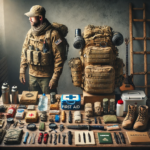
Keep a well-stocked emergency kit in your safe space, containing:
- Water (one gallon per person per day for at least three days)
- Non-perishable food
- Battery-powered or hand-crank radio
- Flashlights and extra batteries
- First aid kit
- Personal hygiene items
- Important documents in a waterproof container
3. Stay Informed
Monitor weather reports and warnings through:
- NOAA Weather Radio
- Weather apps with alert features
- Local news broadcasts
During a Tornado: What to Do
If a tornado warning is issued or if you see warning signs, take action immediately:
1. Seek Shelter Immediately
- Best Option: Move to a storm cellar, basement, or an interior room on the lowest floor without windows.
- Avoid: Open spaces, exterior walls, and areas with large windows.
2. Protect Yourself
- Use a mattress, heavy blankets, or sturdy objects to shield yourself from debris.
- If in a vehicle, seek shelter in a building if possible. If no shelter is available, find a low-lying area, lie down, and cover your head.
3. Stay Low
- Crouch down and cover your head and neck to minimize the risk of injuries.
After the Tornado: Steps to Stay Safe
Once the storm has passed, follow these precautions to stay safe:
1. Check for Injuries
- Administer first aid to anyone injured and seek medical attention if necessary.
2. Be Aware of Hazards
- Stay away from damaged buildings, downed power lines, and broken glass.
- Wear sturdy boots and gloves to protect against debris.
3. Communicate with Loved Ones
- Use text messages or social media to let others know you are safe, as phone lines may be down.
Essential Tornado Safety Tips for Specific Locations
Tornadoes can strike anywhere, and different environments call for specific safety measures:
In a Mobile Home
Mobile homes are highly vulnerable to tornadoes. If a tornado warning is issued:
- Evacuate and seek shelter in a sturdy building or storm shelter nearby.
- Never try to ride out a tornado in a mobile home.
In a Vehicle
- Try to drive at right angles to the tornado’s path to escape it if possible.
- If you can’t escape, park the car, keep the seatbelt on, and cover your head with your hands.
Long-Term Preparations for Tornado Season
Being prepared isn’t just a one-time effort. Consistent readiness helps you handle tornadoes more effectively:
1. Regular Drills
Conduct regular family drills so everyone knows what to do when a tornado warning is issued. This practice ensures smooth execution of your emergency plan under pressure.
2. Reinforce Your Home
Consider installing storm shutters and reinforcing doors and windows. A professionally built storm shelter or safe room is ideal for high-risk areas.
3. Stay Insured
Ensure your homeowner’s or renter’s insurance covers tornado damage. Document your belongings with photos and lists to aid in recovery.
Conclusion
Tornado survival requires awareness, preparation, and the ability to act swiftly when warnings arise. By following these steps, you’ll not only protect yourself and your loved ones but also help your community stay resilient. Remember, the best defense against a tornado is a strong plan and the readiness to act decisively.
Also see: Essential Guide to Surviving a Land Fire