
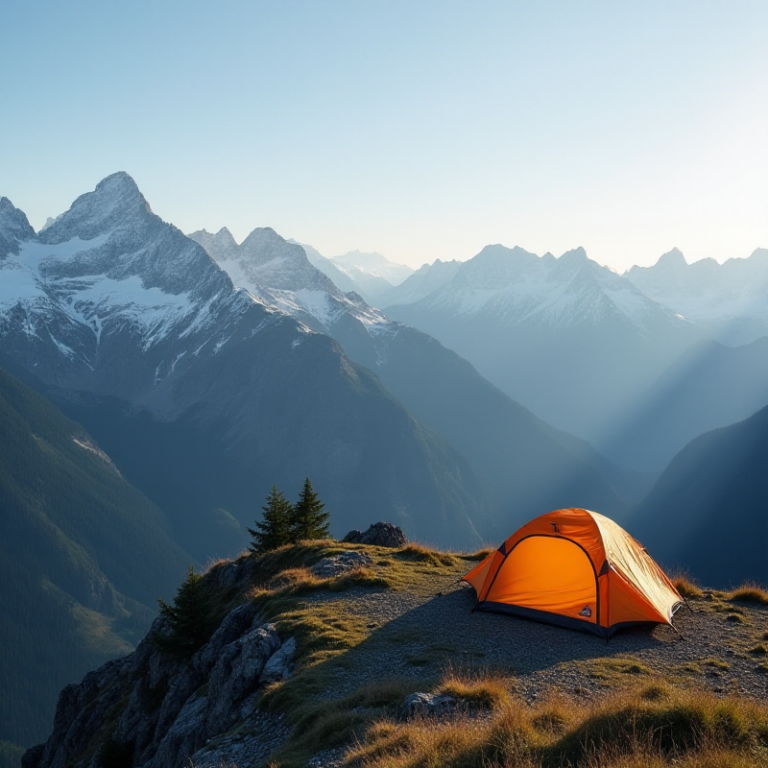

If you’ve ever stood at the base of a towering mountain, you know the thrill and beauty of these majestic landscapes. But as breathtaking as mountain adventures can be, they also come with real risks. Mastering mountain safety means understanding these dangers and preparing for them so you can enjoy the journey without putting yourself or others in harm’s way. Whether you’re an experienced climber or just starting out, these tips will help you navigate the peaks with confidence.
Understanding the Risks of Mountain Terrain
Mountains are unpredictable. From sudden weather changes to loose rocks and steep slopes, dangers lurk in even the most familiar paths. The first step to mastering mountain safety is understanding what you’re up against:
- Unstable Terrain: Loose rocks, hidden crevices, and slippery surfaces can catch even seasoned hikers off guard.
- Rapid Weather Changes: In the mountains, a sunny morning can quickly turn into a freezing storm. Always be prepared for unexpected shifts.
- Altitude Challenges: As you climb higher, the air gets thinner, making breathing harder and increasing the risk of altitude sickness.
- Wildlife Encounters: While rare, some animals may view humans as threats. Knowing how to react is key.
Preparation is the Key to Safety
Preparation is your most important tool when it comes to avoiding risks. Here’s how to get started:
- Research the Area: Before heading out, learn everything you can about the mountain. Check weather forecasts, trail conditions, and recent reports from other hikers.
- Pack Smart: Essentials include water, snacks, a first aid kit, a map, and a reliable navigation tool. Don’t forget weather-appropriate clothing and sturdy footwear.
- Check Your Gear: Double-check that your equipment is in working order. Faulty gear can turn a minor inconvenience into a major disaster.
Master Navigation Skills
Even with a GPS or a smartphone, knowing how to navigate with a map and compass is invaluable. Batteries can die, and signals can vanish in remote areas.
- Learn to Read Topographical Maps: Understanding elevation lines and terrain symbols can help you plan a safe route.
- Understand Trail Markers: Know how to identify and follow trail signs. They’re your best guide when paths become unclear.
Dealing with Emergencies
No matter how prepared you are, emergencies can still happen. The key is knowing how to respond:
- Stay Calm: Panicking can lead to poor decisions. Take a moment to assess your situation.
- Signal for Help: A whistle, signal mirror, or brightly colored clothing can attract attention if you’re stranded.
- Use Your First Aid Kit: From blisters to more serious injuries, having first aid knowledge can save lives.
Travel with a Buddy or Tell Someone
Solo mountain adventures may sound appealing, but they come with increased risks. Whenever possible, travel with a partner. If you’re venturing out alone, make sure someone knows your planned route and estimated return time.
Respecting the Mountain Environment
Safety also means respecting the natural environment. Leave no trace of your visit, stick to marked trails, and avoid disturbing wildlife. By preserving the beauty of the mountains, you ensure they remain a safe and welcoming space for future adventurers.
Final Thoughts on Mastering Mountain Safety
Mastering mountain safety is all about preparation, awareness, and respect. The risks are real, but with the right mindset and tools, they can be managed. By following these tips, you can embrace the challenge and beauty of the mountains while keeping yourself safe. Happy adventuring!